


The Storm House in the Wasserreihe
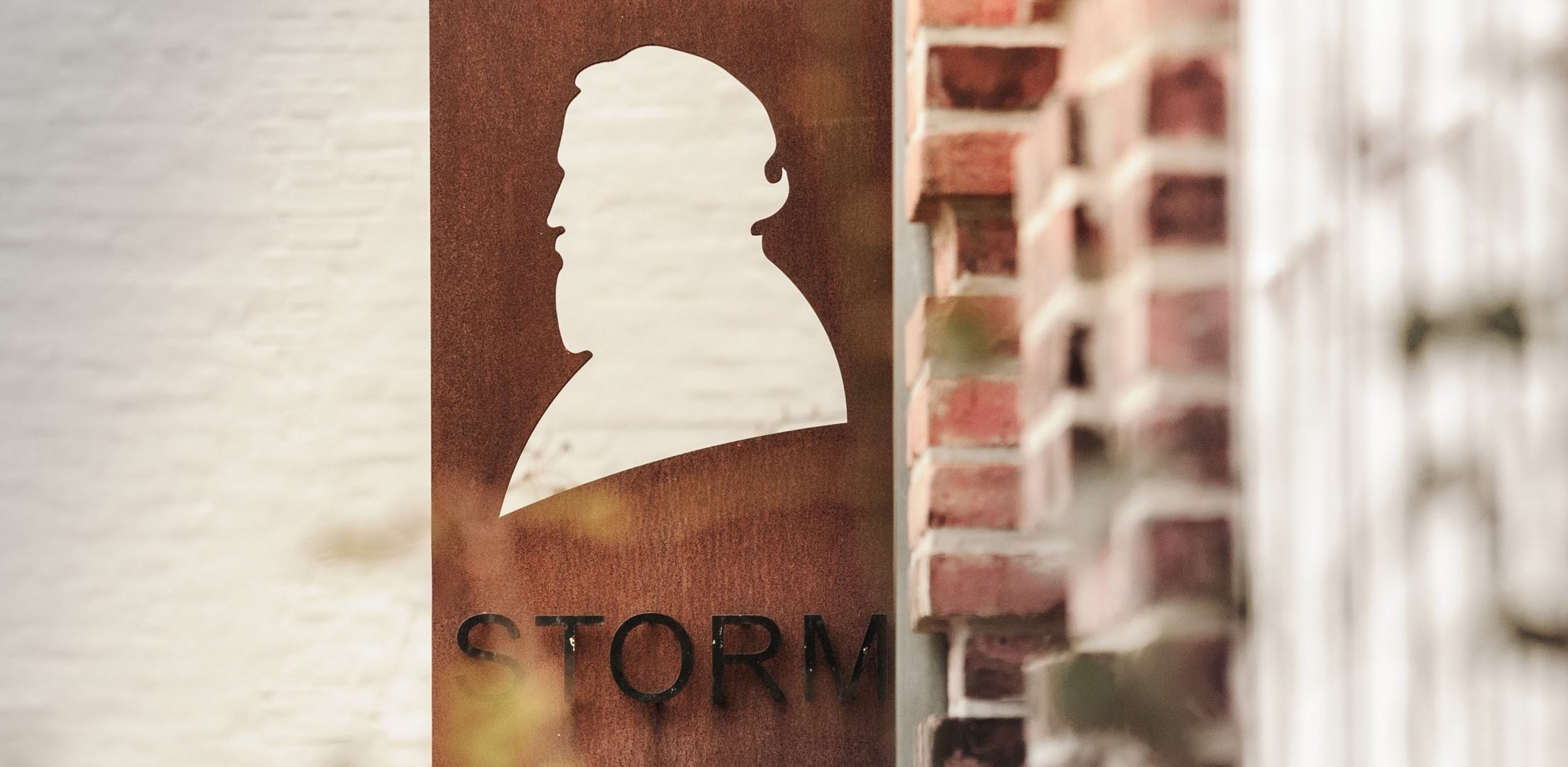
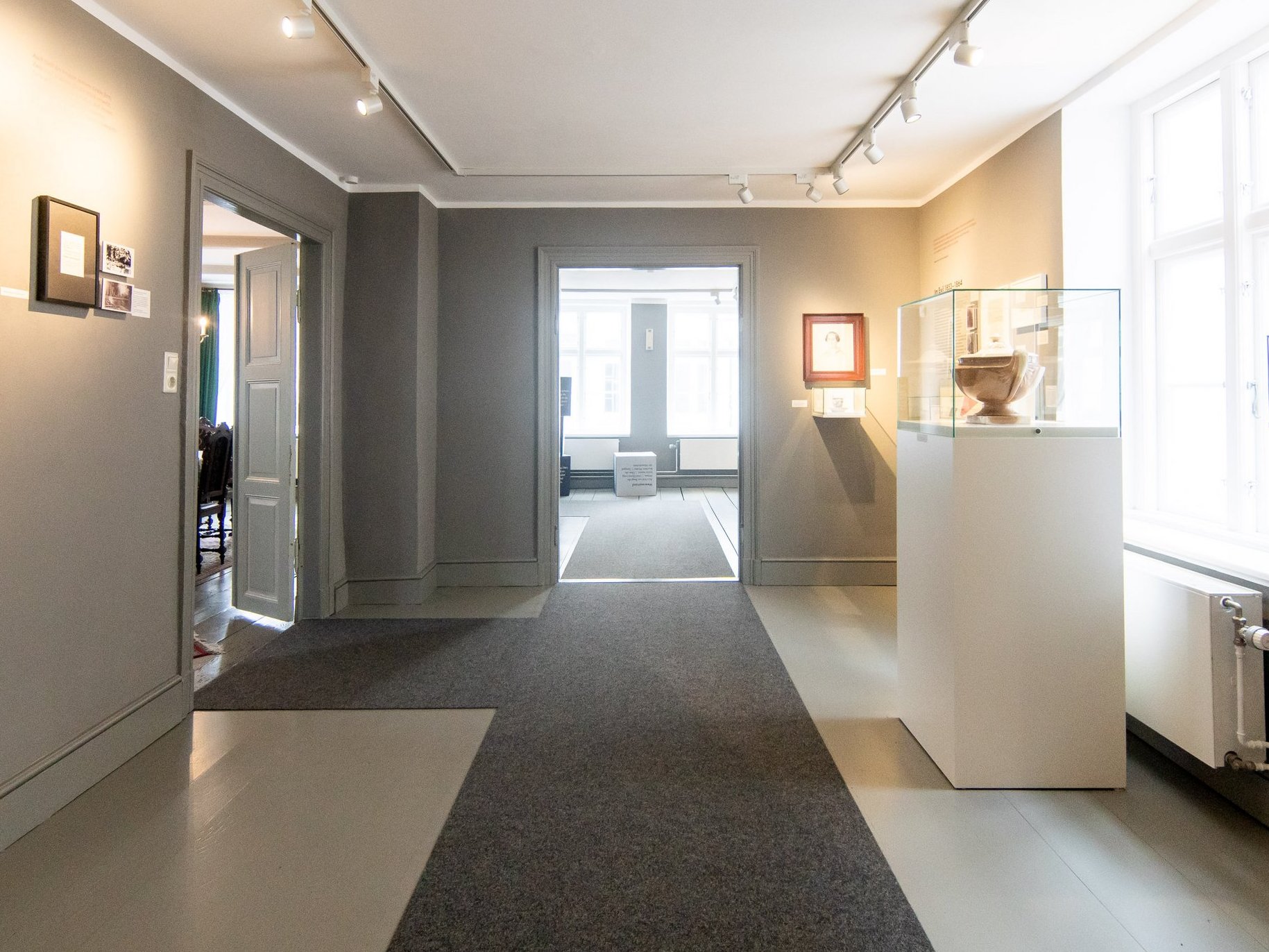
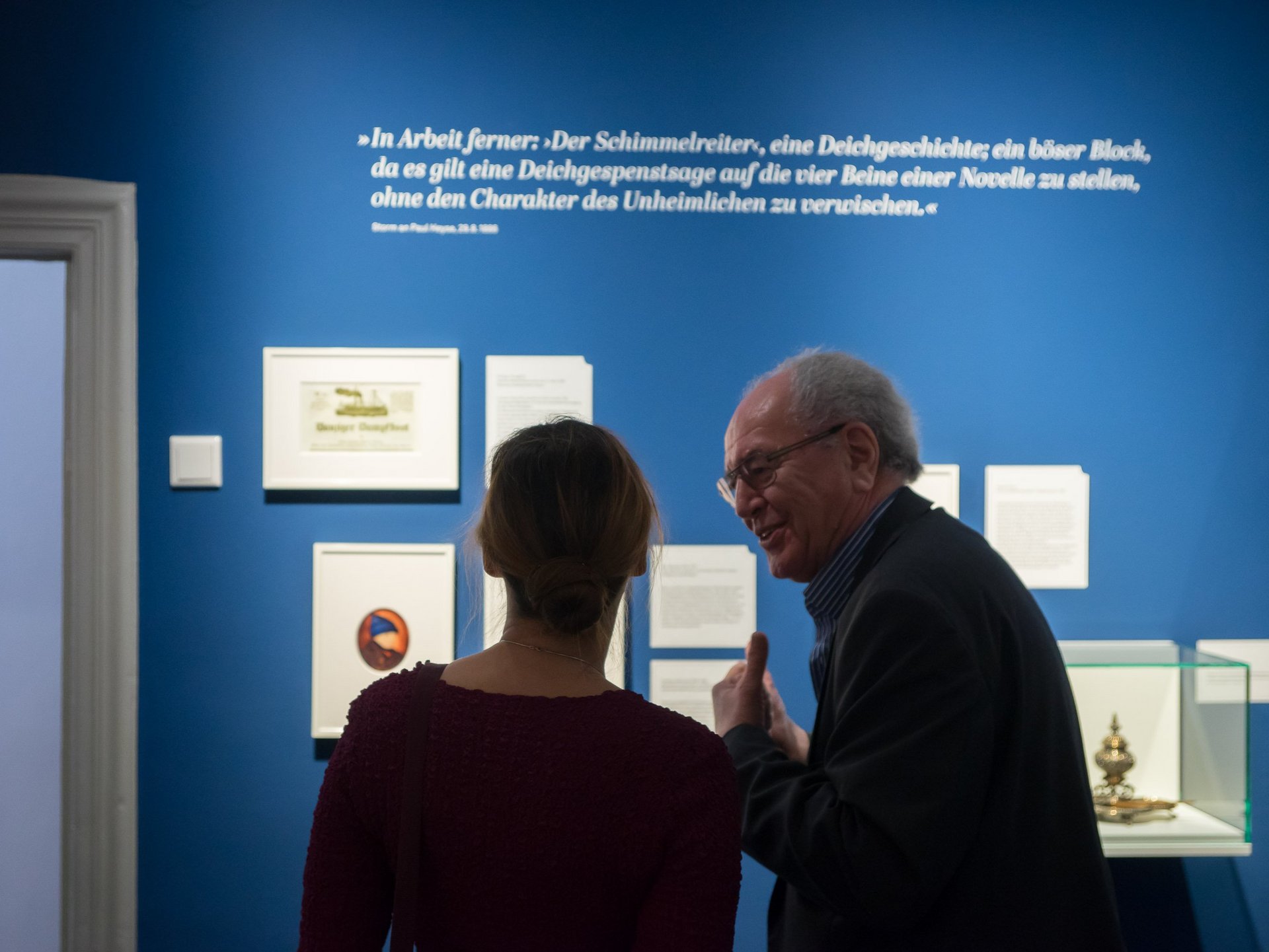
The Storm museum in Husum is amongst the most renowned literature museums in the German-speaking region. In addition to the original living and working rooms, there is also a permanent exhibition on Theodor Storm’s life and work, as well as a room dedicated to his most famous novella, The Dykemaster. The garden laid out by the poet himself is particularly beautiful in summer.
Exhibitions
Storm-Schreiber-Stipendium 2023
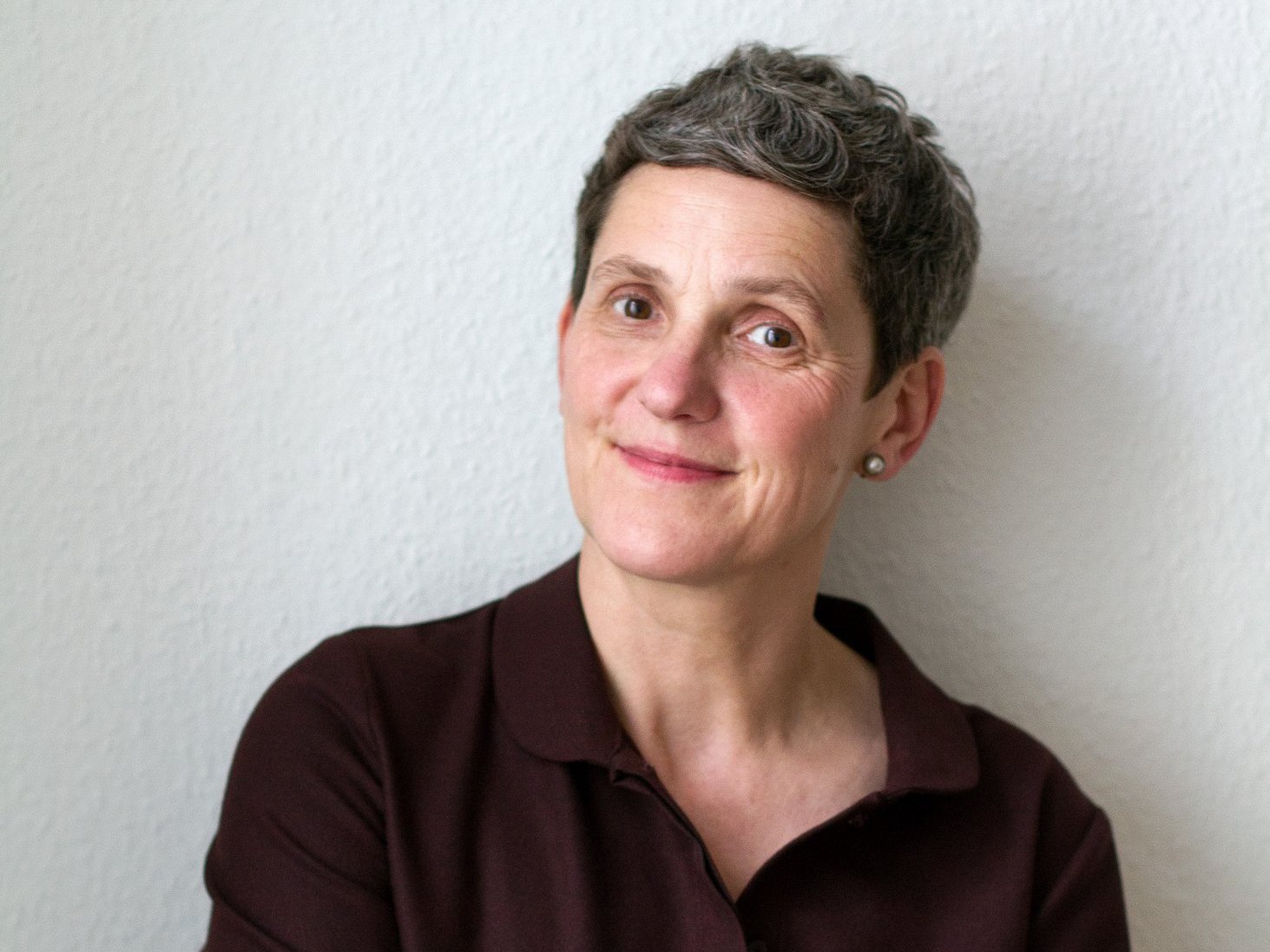
The writer Felicitas Hoppe, born in 1960, received the Storm-Schreiber-Stipendium. She is the third holder of the scholarship, first awarded in 2019, joining Christiane Neudecker and Marion Poschmann. In September 2023, Hoppe moved into the listed three-sided farm of Dr. Annemarie Hansen in Husum-Rödemis.
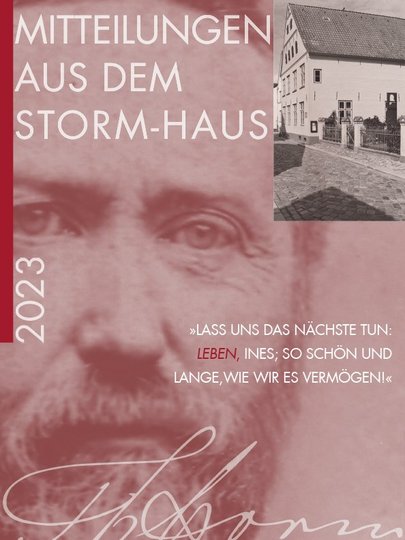
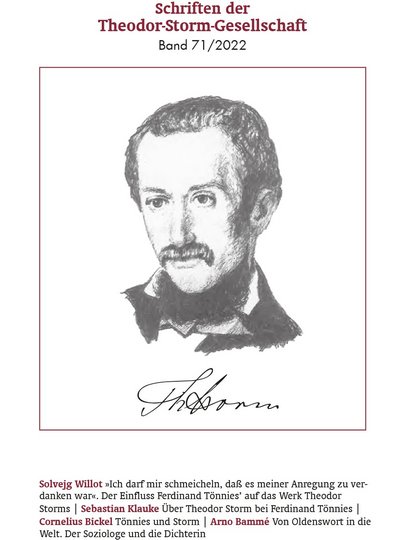
Theodor-Storm-Preis
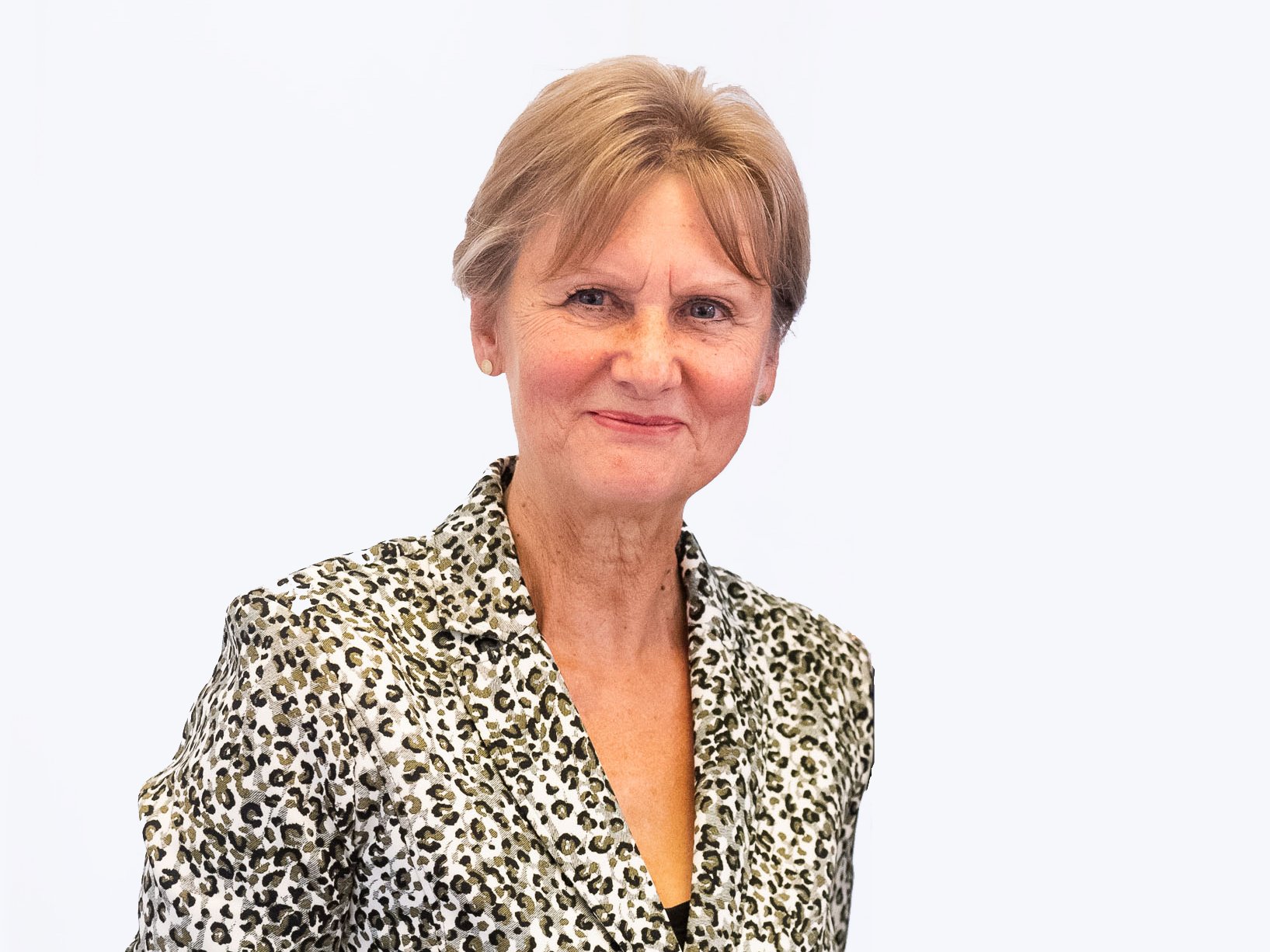
Regina Fasold was awarded the Theodor-Storm-Preis 2022. The jury honours the Storm researcher for her outstanding life’s work.
Storm-Schreiber-Stipendium
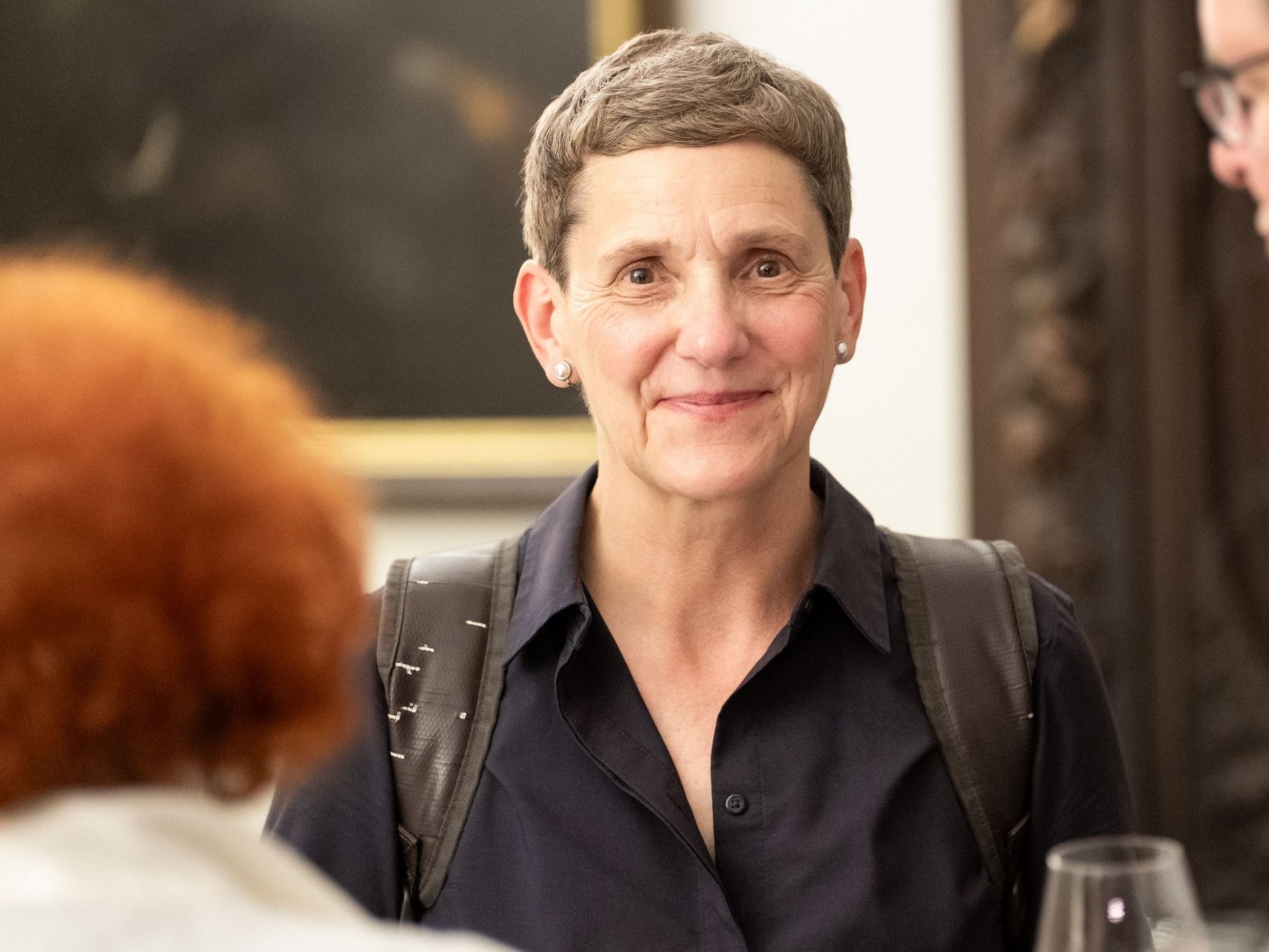
The writer Felicitas Hoppe was the third holder of the Storm-Schreiber-Stipendium. First holder was the writer Marion Poschmann.
The Town beside the Sea
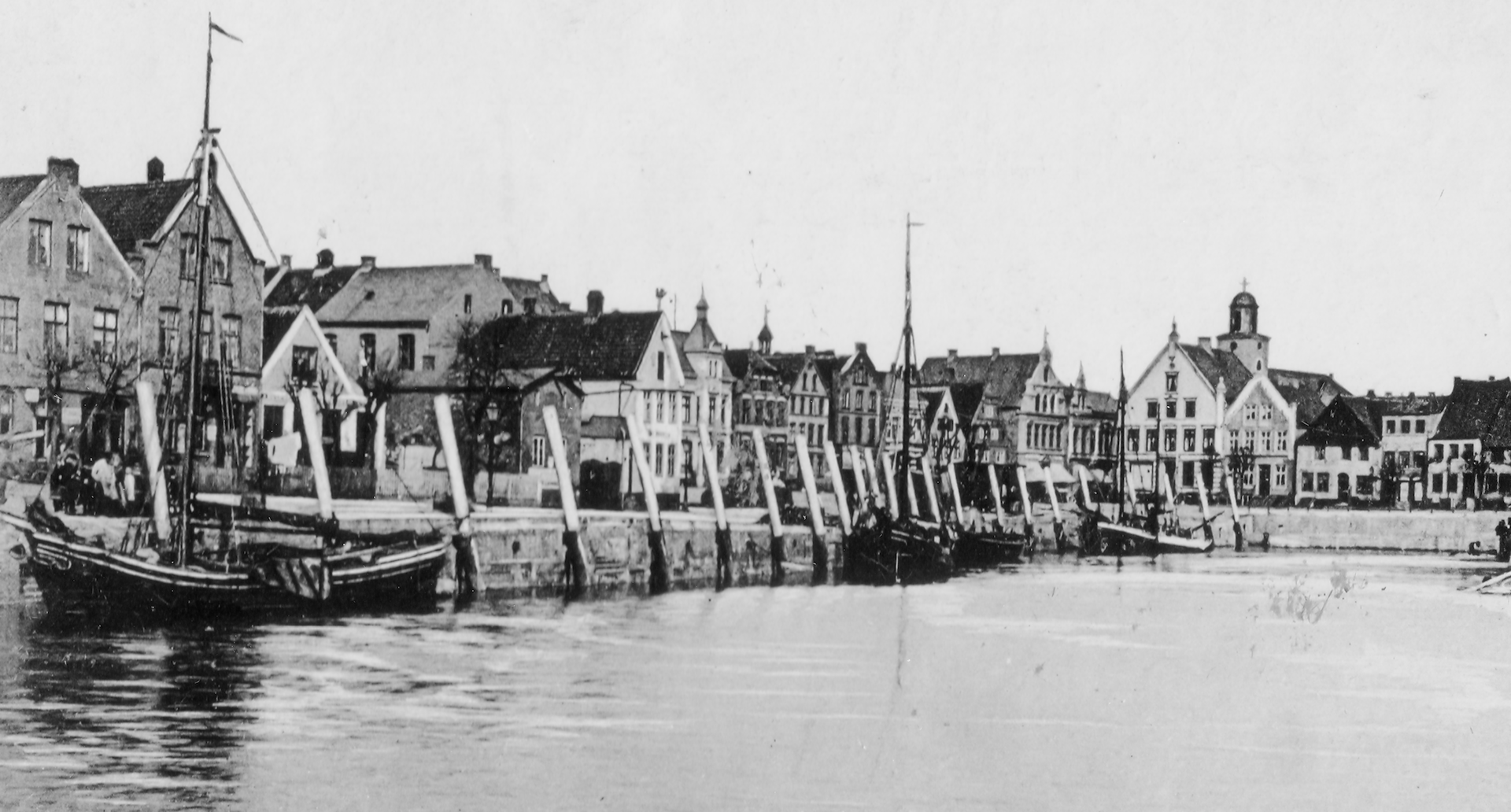
Theodor Storm felt a lifelong connection to his hometown Husum. The cityscape exerted a peculiar charm on the poet. He turned houses that had belonged to his mother’s ancestors into the settings of novellas. As well as houses that he lived in himself.
“It is just a small ordinary town, my birthplace; it lies on a flat treeless coastal plain and its houses are old and grey. Yet I’ve always thought of it as a pleasent place.”
In St. Jürgen, 1868